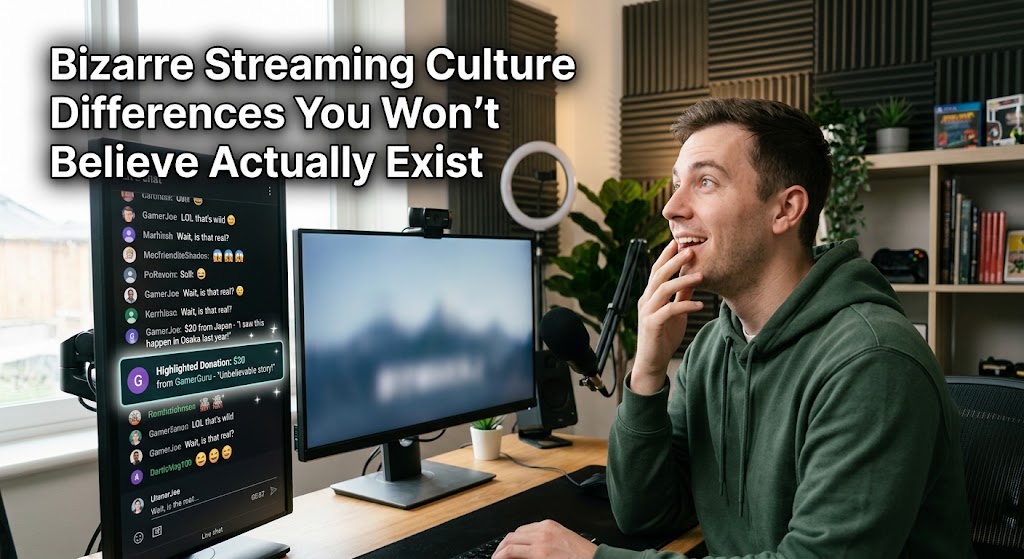
A viewer can send the equivalent of IDR 10 million during a livestream simply to get a creator to say their name. That sounds absurd until you understand the economics behind it. streaming culture differences aren’t just about language or favorite content. They can change what viewers consider valuable, impressive, or worth paying for.
The interesting part is that the West-versus-Asia comparison isn’t as simple as “Americans tip less and Asians tip more.” Research shows gifting is influenced by engagement, social acceptance, perceived value, streamer characteristics, and the design of the platform itself.
1. Streaming Culture Differences Are Really About What Gets Rewarded
A livestream doesn’t sell exactly the same emotional product everywhere. In one market, a small donation can feel like a personal handshake. Somewhere else, a spectacular virtual gift can become a public display of loyalty.
The American Style Often Makes the Donation Feel Personal
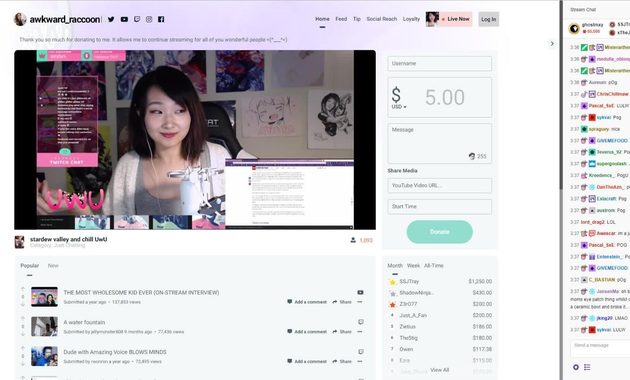
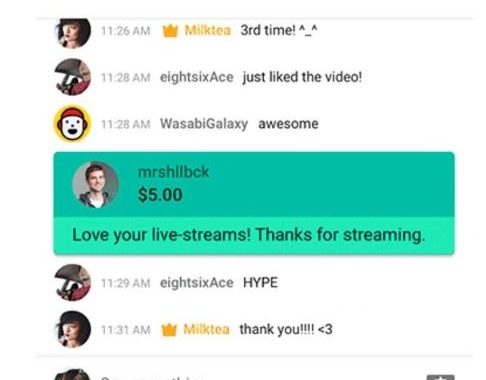
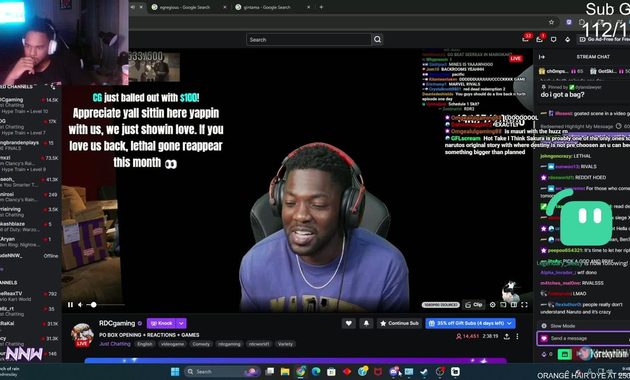
On platforms such as YouTube, Super Chat lets viewers pay to make messages stand out in the live chat, sometimes keeping them visible near the top. The platform itself describes Supers as a way for fans to show support and connect with creators.
That creates a simple transaction:
money → highlighted message → creator reaction → social payoff
A viewer might spend $5 and write something funny. The value isn’t necessarily the money itself. It’s getting noticed.
Text To Speech Donations Turn Money Into Entertainment
This is where text to speech donations become clever.
Instead of silently transferring money, the viewer can turn the contribution into part of the show. The streamer reacts, the audience laughs, and the donor effectively becomes a temporary character inside the broadcast.
That’s a completely different proposition from simply “supporting a creator.”
Asia Makes Public Gifting Much More Visible
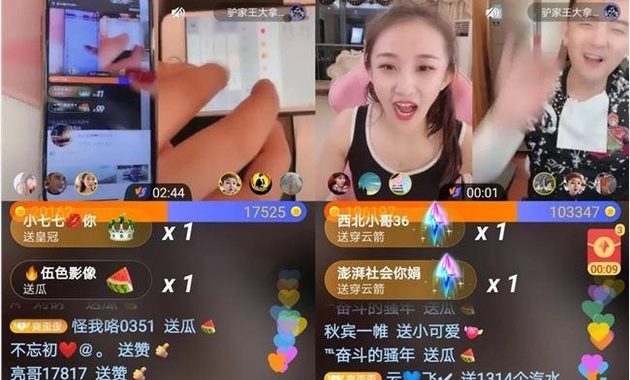
In several Asian livestream ecosystems, particularly China, virtual gifting developed into a major monetization mechanism. Earlier reporting documented gifts ranging from flowers to luxury-car animations, with higher-value gifts becoming highly visible to everyone watching.
Recent academic research also finds that Chinese viewers have historically shown stronger participation in virtual gifting than Western audiences, although that doesn’t mean every Asian viewer behaves this way.
Status Can Become Part of the Entertainment
A large gift isn’t necessarily about generosity alone.
It can communicate:
- “I was here first.”
- “The streamer knows me.”
- “I can afford this.”
- “Look what I just sent.”
- “My contribution matters.”
That’s where virtual gifting becomes more than a payment system. It becomes visible social currency.
2. Virtual Gifting and Parasocial Relationships Create Different Kinds of Loyalty
The most useful mistake to avoid is assuming viewers spend because they have simply “fallen in love” with a streamer.
The evidence is more complicated.
A 2026 meta-analysis found that engagement, attractiveness, utility, social acceptance, hedonic motivation, and awareness of need were positively associated with virtual gifting. The relationship with parasocial relationships was large but statistically unstable across studies.
Why Recognition Can Be Worth More Than the Gift
Imagine two viewers.
Viewer A gives $5 and disappears into the chat.
Viewer B gives $5, gets their username read aloud, receives a joke from the streamer, and sees other viewers react.
Same money. Completely different experience.
The second viewer received social visibility.
That matters because livestreaming isn’t passive television. The audience can influence what happens next.
Parasocial Relationships Are Not the Whole Story
Research on Douyu found only a weak-to-medium relationship between parasocial relationships and gift-giving behavior.
That’s important.
A creator shouldn’t assume that making viewers feel emotionally close automatically produces revenue. A viewer may genuinely like a streamer and never spend a cent.
Meanwhile, another viewer may spend because:
- the gift is entertaining
- other people can see it
- the streamer responds immediately
- the contribution feels useful
- the community rewards generous behavior
This is why parasocial relationships are better understood as one ingredient rather than the entire recipe.
Digital Tipping Works Best When the Moment Feels Alive
Traditional donations happen after the emotional moment.
Livestream tipping happens inside it.
A viewer sees something funny, sends money, gets acknowledged, and becomes part of the event. YouTube’s own guidance encourages creators to acknowledge contributions in real time because recognition helps strengthen the sense of connection.
That loop is powerful.
Emotion → contribution → recognition → stronger participation
And then it starts again.
3. Digital Tipping, Status and Platform Design Shape the Final Spending Decision
The real dividing line isn’t necessarily East versus West. It’s how the platform turns spending into visible social action.
TikTok, for example, uses Coins and virtual Gifts during LIVE. The value of each Gift is displayed in Coins, and creators can receive Diamonds from eligible Gifts. Availability and eligibility vary by location.
That architecture matters.
A platform can make a contribution feel like a private payment or a public performance.
For creators, the practical lesson is straightforward:
- Make recognition immediate. Don’t bury donor names in an unreadable feed.
- Give contributions personality. Reactions, sounds, animations, and custom messages make small payments memorable.
- Create visible milestones. Goals give viewers a reason to participate together.
- Avoid humiliating non-spenders. Pressure can damage the community faster than it increases revenue.
- Study the local audience. What works in Los Angeles may not work in Jakarta, Seoul, or Shanghai.
If you’re researching where different audiences discover livestreams and how platforms shape viewing behavior, this guide on what channel is Culture TV can provide useful context around the broader streaming ecosystem.
The strongest creators don’t copy another country’s monetization formula blindly. They identify what their audience considers meaningful.
That’s the real lesson behind streaming culture differences.
Q&A
Why do some viewers spend huge amounts on virtual gifts?
Usually, there’s more than one reason. Recognition, entertainment, social status, emotional attachment, community participation, and perceived value can overlap. Research suggests active engagement and social acceptance are particularly relevant, rather than simple passive viewing.
Are Western viewers really less willing to send virtual gifts?
Not necessarily. The available research suggests differences in gifting behavior across markets, but broad claims about “Western” or “Asian” viewers can be misleading. Platform design, audience demographics, creator type, and local monetization culture all matter.
Should creators encourage expensive gifts?
They can create optional goals and acknowledge supporters, but aggressive pressure is risky. A healthier model rewards participation at multiple spending levels so viewers can contribute without feeling that their wallet determines their status.

Amara Nwosu is a digital culture writer who has covered online media communities in Africa, Europe, and parts of Asia. She previously worked on international communications projects involving live conferences, cultural broadcasts, and multilingual digital campaigns. Her articles examine how internet access, local platforms, language, and cultural habits shape the way people create and watch livestreams around the world.