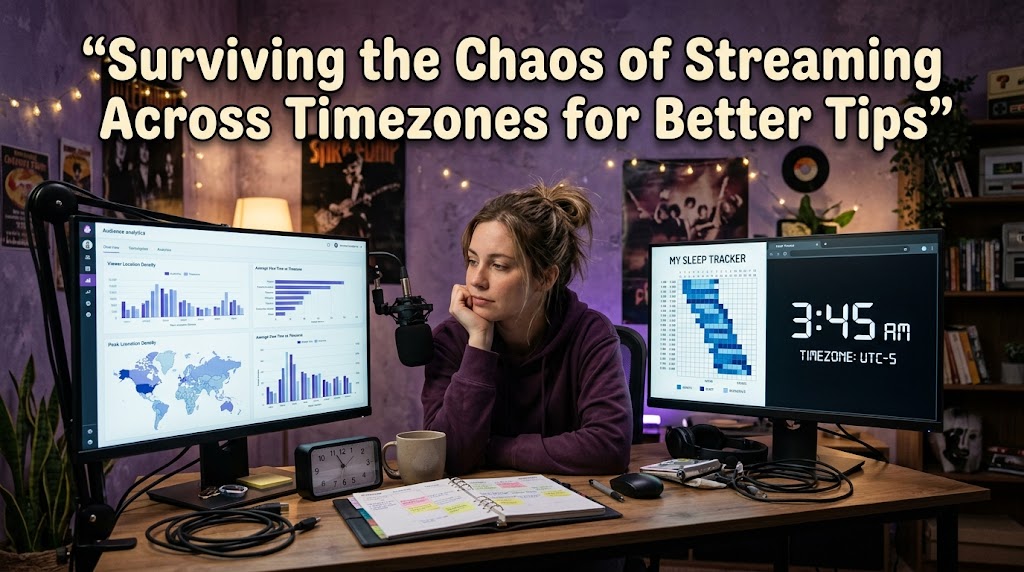
A digital vampire can look perfectly productive at 3 a.m., red-eyed and half-awake, just because viewers in another continent are finally off work. streaming across timezones can open access to wealthier international audiences, but sacrificing sleep every night for a few extra dollars is a terrible long-term strategy. The smarter move is to find where audience demand overlaps with your own sustainable hours.
You don’t need to guess blindly. YouTube, for example, provides an Audience report showing when viewers are online over the previous 28 days, along with top geographies and other audience data.
1. Streaming Across Timezones Starts With Finding Your Real Prime Time Viewers
The biggest mistake is assuming that viewers from the US, UK, or Europe automatically mean better results. A larger market doesn’t help if those people aren’t actually watching, chatting, subscribing, or tipping.
Prime Time Viewers Are Different for Every Channel
YouTube’s prime time viewers data is more useful than generic “best time to stream” articles because it reflects your own audience. The platform specifically recommends using its “When your viewers are on YouTube” report when planning live streams.
Look at your last 28 days and identify:
- When viewers are most frequently online
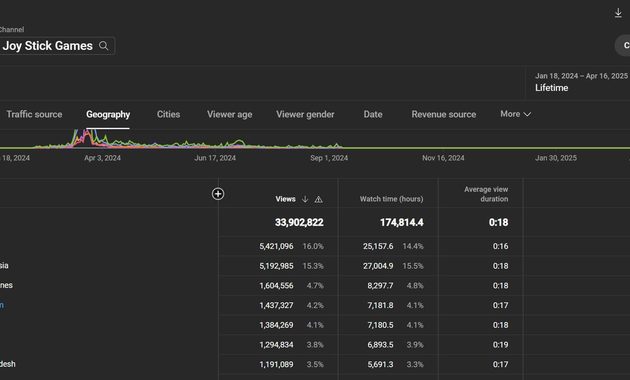
- Which countries generate the most watch time
- When concurrent viewers peak
- Which hours produce the strongest chat activity
- Whether viewers stay or leave quickly
Don’t chase the biggest spike from one unusual stream. Look for a repeatable pattern.
Your Golden Hour Is a Window, Not a Magic Minute
Suppose your audience looks like this:
- Indonesia: 20:00 to 23:00
- UK: 19:00 to 22:00
- US East Coast: 19:00 to 23:00
- US West Coast: 19:00 to 23:00
Your useful window isn’t necessarily one perfect hour. It could be a two-hour overlap where several markets are awake and relaxed.
That is your golden hour streaming opportunity.
The goal is to find an overlap that produces strong viewers without forcing you to live like an owl.
Why Viewer Geography Matters More Than Vanity Numbers
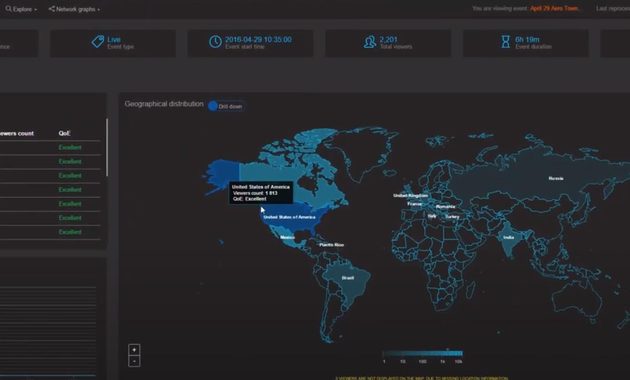
YouTube reports top geographies and traffic sources, while live analytics can show concurrent viewers, chat activity, watch time, and average view duration.
A channel with 1,000 viewers who barely interact may be less valuable than one with 400 highly engaged viewers.
2. Build a Sleep Schedule Hack Instead of Becoming a Digital Vampire
The temptation is obvious. Your American audience is ready at 9 p.m. their time, which might be 9 or 10 a.m. in your country. Great. No sleep sacrifice required.
But when the attractive market’s evening happens at your 3 a.m., things get ugly fast.
The Sleep Schedule Hack That Actually Scales
Instead of moving your entire routine, test three fixed windows for two to four weeks.
For example:
- Local evening for your existing community.
- International overlap for Europe and Asia.
- US-focused session only when the data justifies it.
Compare the results rather than assuming the late-night slot wins.
Your sleep schedule should be treated as a business constraint, not an inconvenience.
International Donators Are Still Real People
Don’t assume viewers from high-income countries will automatically donate more. Research on livestreaming has found that tipping and other support behaviors are influenced by social and psychological motivations, not simply audience location.
That means your content still needs to give viewers a reason to participate.
A funny recurring segment, community challenge, personal interaction, or memorable stream ritual can matter more than simply shifting the clock.
Use One Schedule, Then Make Small Experiments
A practical testing cycle looks like this:
- Week 1 to 2: normal schedule
- Week 3: shift one stream by 2 hours
- Week 4: repeat the better-performing window
- Compare average viewers, watch time, chat rate and revenue
If you want to understand how scheduling works on another platform, this guide on livestream time zones and global viewers can also help you think through international scheduling.
Don’t change everything at once. Otherwise, you won’t know what actually caused the improvement.

3. Turn International Donators Into a Sustainable Streaming Routine
The final step is connecting timing with audience quality.
Your analytics should answer a simple question: which time produces the best audience, not merely the largest audience?
Track More Than Concurrent Viewers
YouTube’s live reporting includes peak concurrent viewers, average view duration, chat rate, views, watch time and new subscribers.
Track at least:
- Average concurrent viewers
- Average view duration
- Chat messages
- New subscribers
- Returning viewers
- Revenue or tips
A time slot producing fewer viewers but stronger retention and support can be the better commercial choice.
Don’t Confuse a Busy Clock With a Good Stream
A crowded time can actually make discovery harder because you’re competing against more established creators.
That’s why your prime time viewers shouldn’t be measured in isolation. Look at retention and interaction too.
You might discover that your supposedly “off-peak” Wednesday afternoon produces a surprisingly loyal audience.
Create a Two-Tier Schedule
For creators targeting multiple regions, this is often more sustainable:
Core stream: your best-performing local or regional window.
International stream: one carefully selected slot designed around another major audience.
This prevents your entire lifestyle from being dictated by another continent.
And remember, golden hour streaming isn’t about finding the most expensive audience on a map. It’s about finding the strongest overlap between audience availability, engagement and your ability to show up consistently.
The Real Currency Is Consistency
Streaming across timezones works best when international viewers know when you’re likely to appear.
Don’t become the creator who disappears for a week because one late-night session destroyed their sleep cycle.
Build a schedule you can repeat.
That is far more valuable than chasing one unusually profitable night.

Amara Nwosu is a digital culture writer who has covered online media communities in Africa, Europe, and parts of Asia. She previously worked on international communications projects involving live conferences, cultural broadcasts, and multilingual digital campaigns. Her articles examine how internet access, local platforms, language, and cultural habits shape the way people create and watch livestreams around the world.